
Daniel Flefil
March 16, 2021 · 7 min read
The Dragon 360 is one of those bar tricks that looks fast and effortless when someone else does it. You swing, you rotate, you land. The problem is that most people try to muscle through it without understanding the two things that do most of the work. I have been doing freestyle calisthenics for years, and this is a move I keep coming back to because it flows naturally into combinations. In this tutorial, I cover the full movement breakdown, the grip change that changes everything, and the mental cue that keeps your orientation during the spin. By the end, you will know exactly how to approach your first attempts.
Watch the Full Tutorial
What Is the Dragon 360?
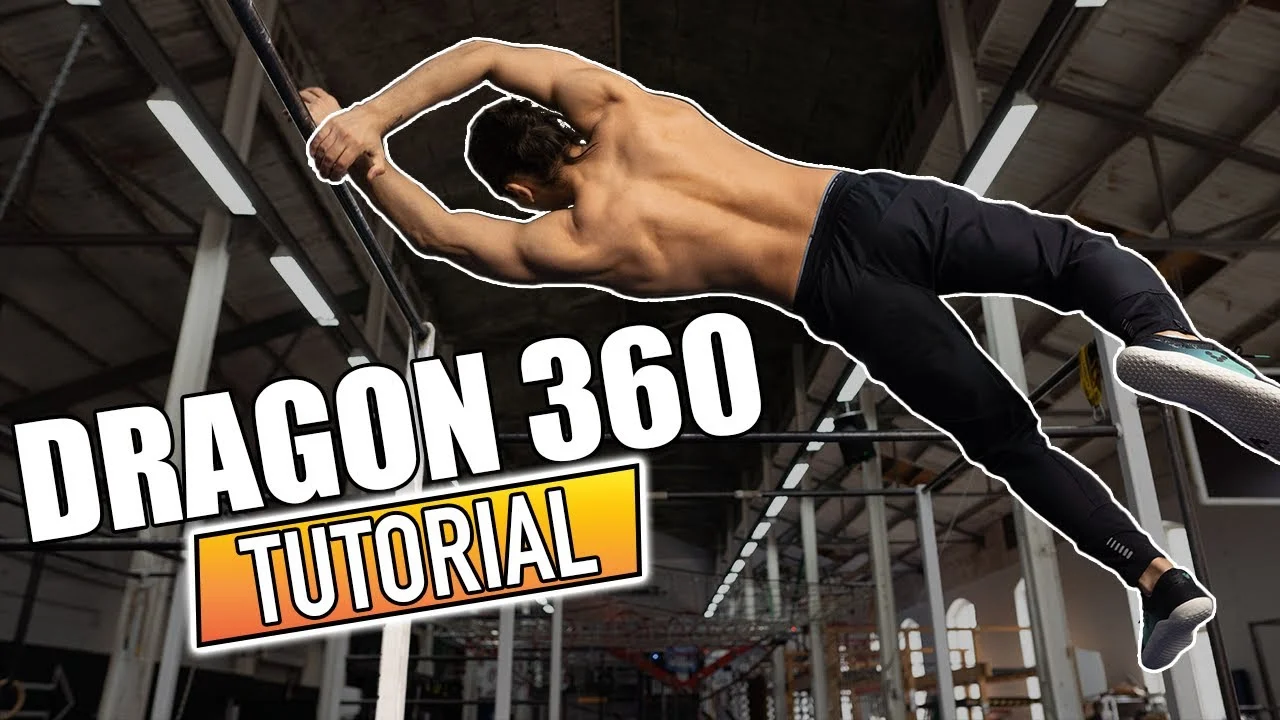
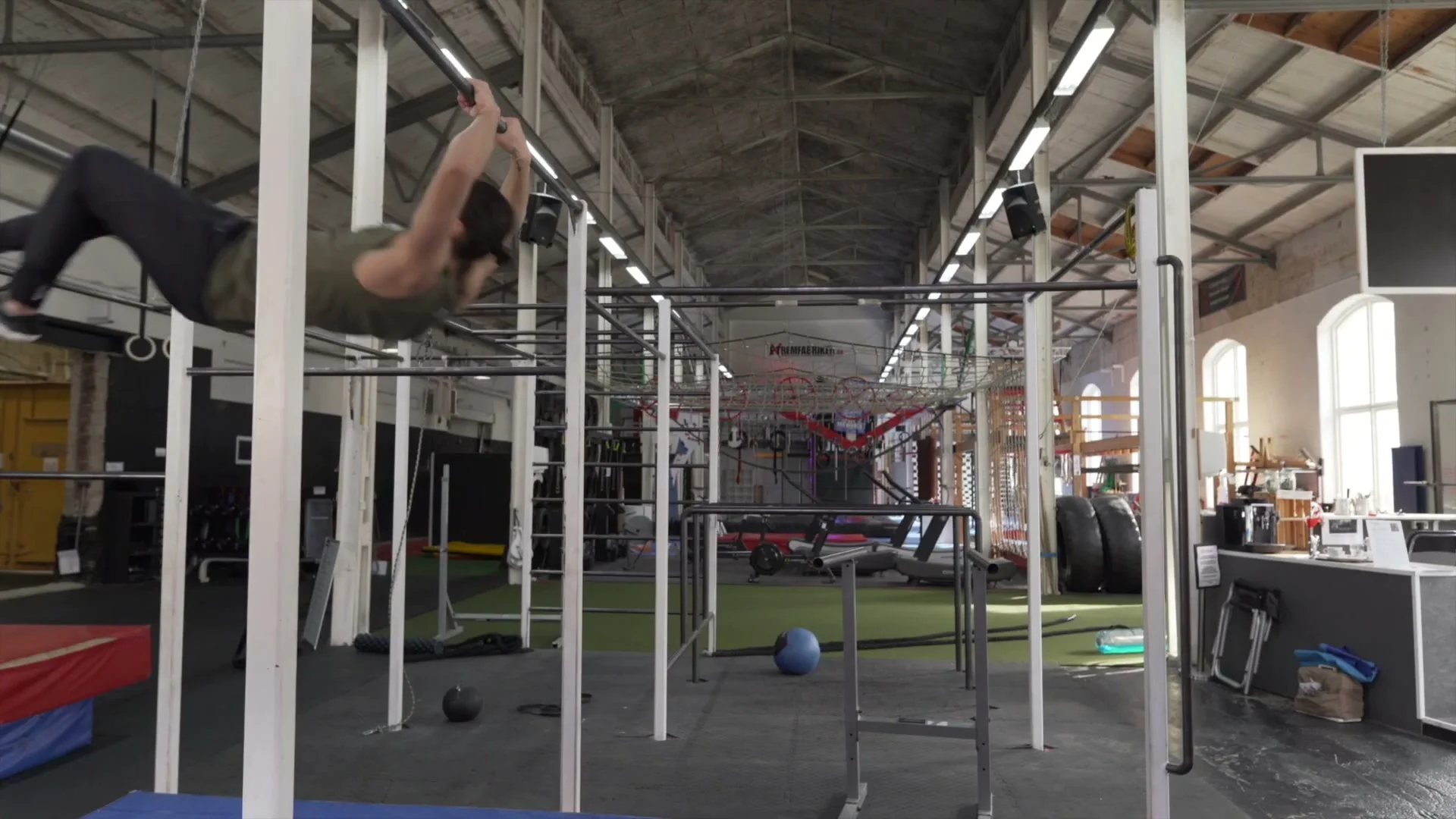
The Dragon 360 is a freestyle calisthenics bar movement where the athlete performs a full 360-degree backward rotation around a horizontal bar. You jump to the bar, swing your body backward and under, rotate all the way around, and land back in a hang or flow directly into the next movement. Done clean, the body stays controlled through the full rotation, passing through a horizontal back position, inverting under the bar, and returning to the top.
It sits in the entry-level to intermediate range of bar tricks. You do not need elite upper body strength to learn it, but you do need to be comfortable swinging on a bar, have a decent hang strength, and be able to commit to the rotation without stopping halfway through. The movement is primarily used in freestyle combinations, connecting to other bar moves before and after.
Prerequisites
Before attempting the Dragon 360, you need to be comfortable on a bar at a basic level. The rotation happens fast, and hesitating halfway through usually means releasing at the wrong moment. Get these in order first.
- 5 to 10 clean pull-ups
- Comfortable dead hang for at least 30 seconds
- Ability to swing freely on a bar without tensing up
- Basic bar jump and re-catch (jumping up, grabbing the bar, swinging)
If bar swings feel unfamiliar or your grip fails under body weight, spend time there first. The Dragon 360 is not worth rushing.
Technique: How to Do the Dragon 360
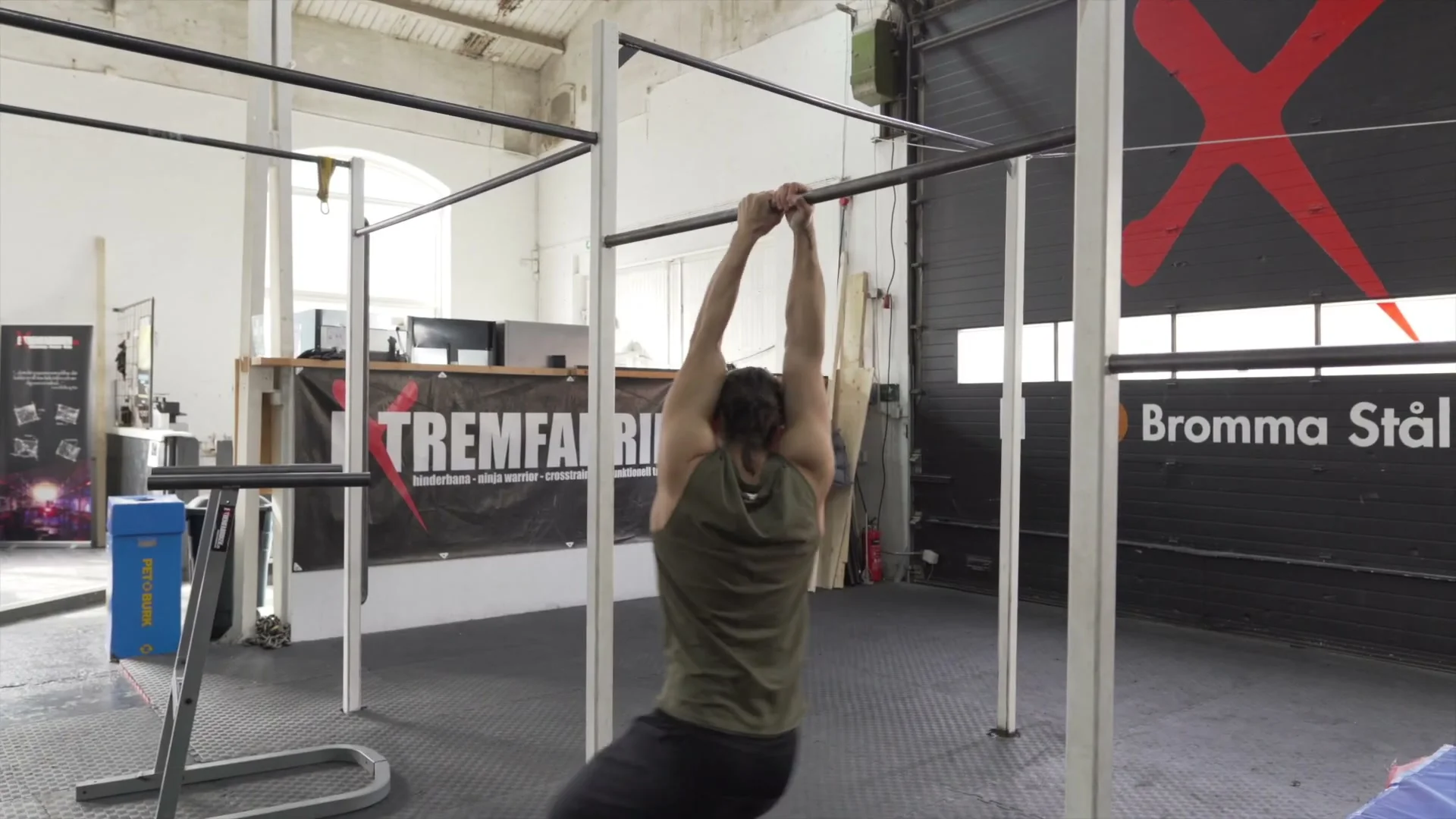
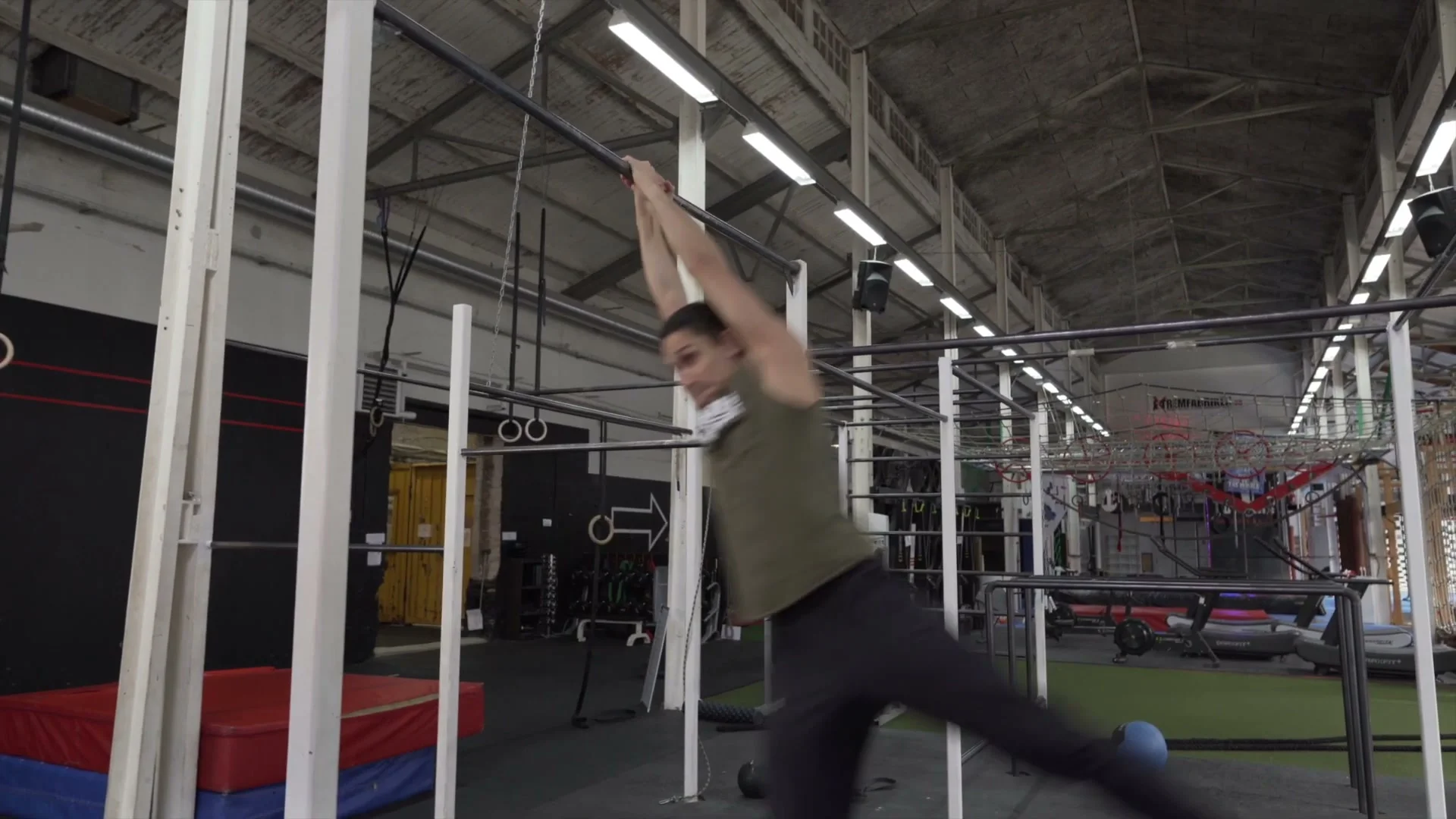
Jump to the bar and take a standard overhand grip. Swing your legs backward to build momentum. As the swing reaches its peak behind you, your body will naturally want to continue the arc. Let it. Your job is to keep your core engaged as you rotate under the bar and through the inverted position.
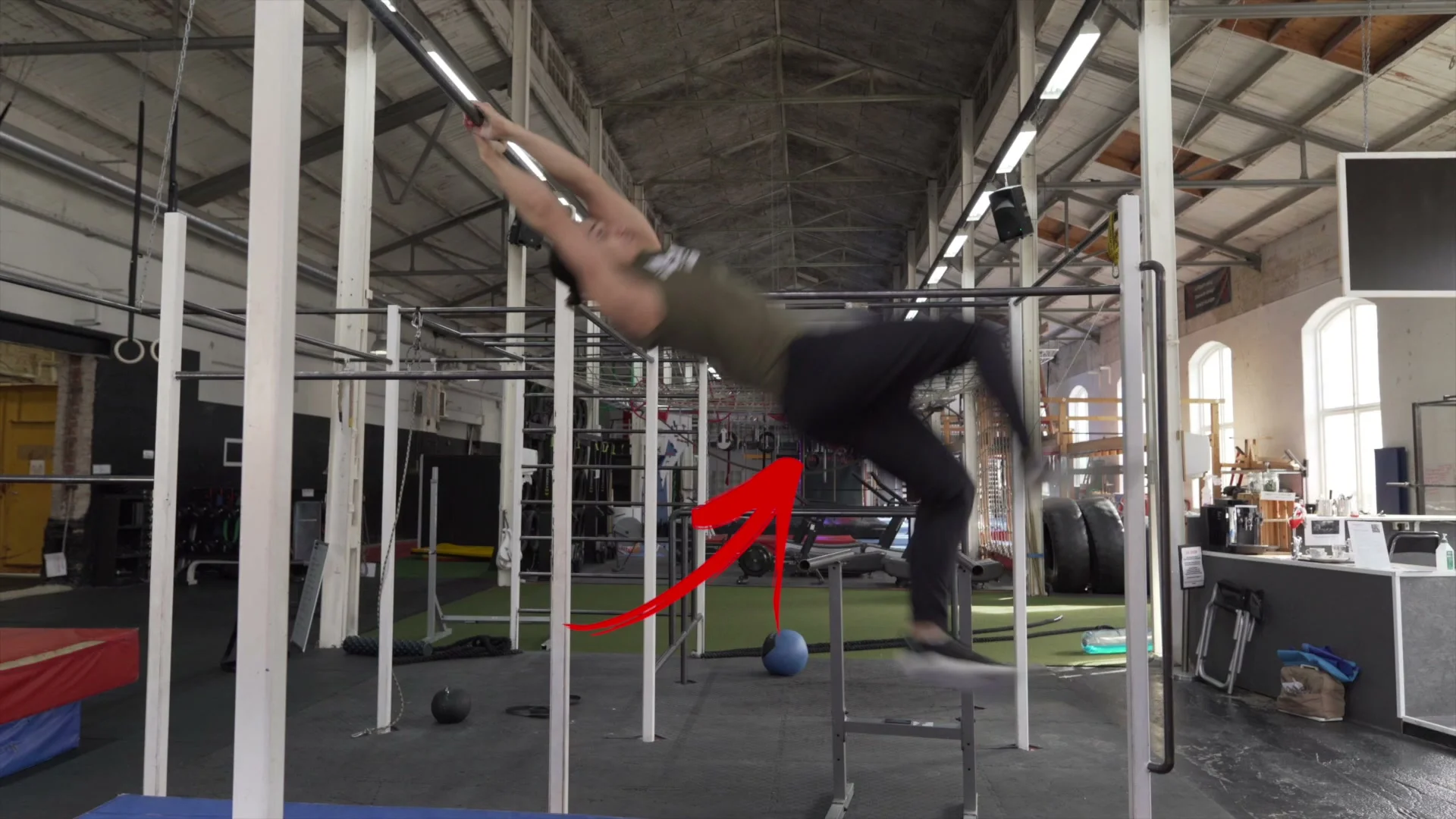
The body passes through three distinct phases: horizontal with your back facing up, inverted directly below the bar with your chest facing up, and back up through the other side to the starting hang. The goal is smooth continuous movement through all three. Any hesitation or stiffness will kill the rotation.
Keep your arms active throughout. You are not just hanging passively, you are actively pulling against the bar to support the rotation. Your grip pressure changes through the movement, which is covered in detail in the next section.
The Two Tips That Make It Work
Key Takeaway
Tip 1: Change the Grip
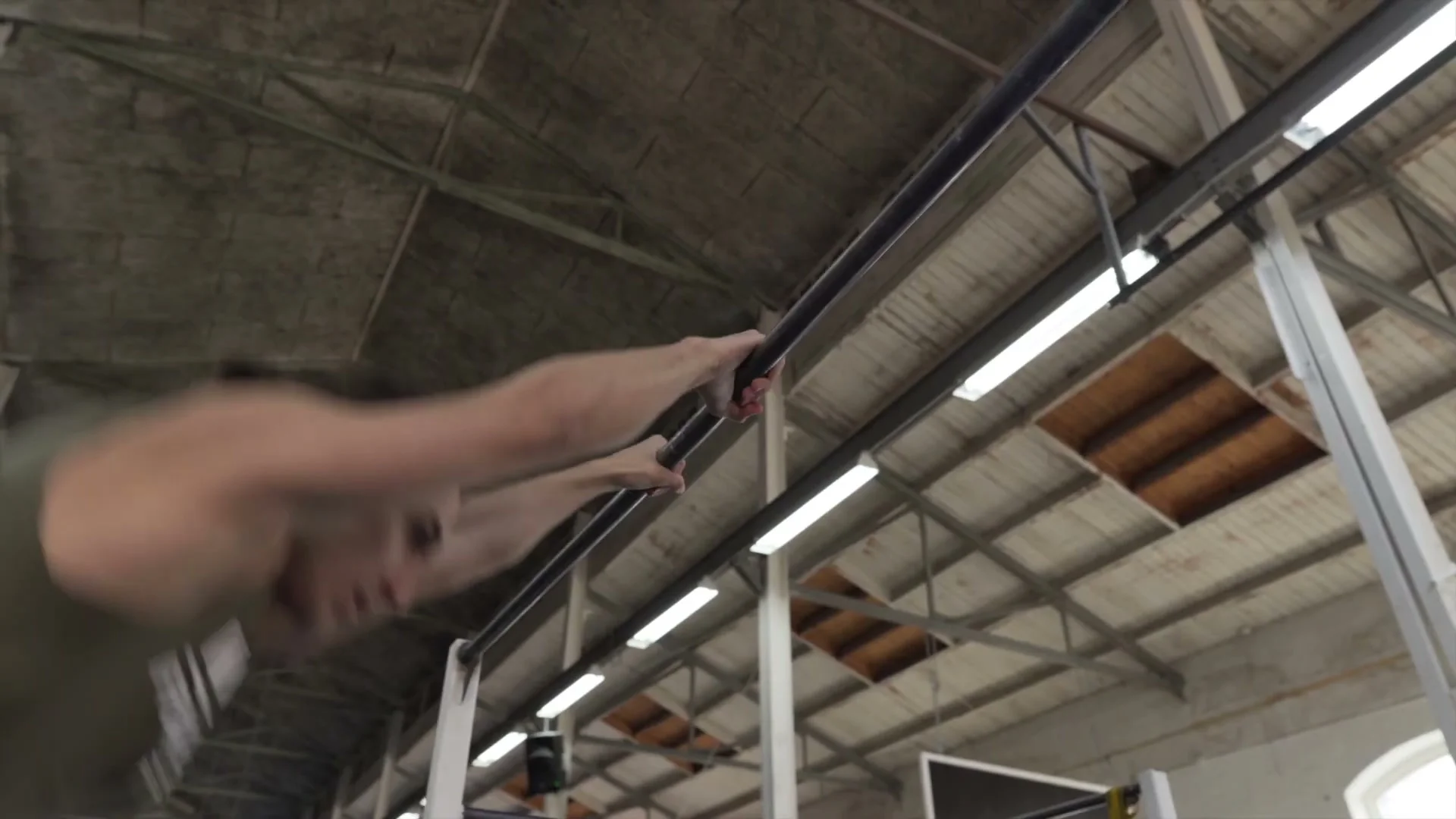
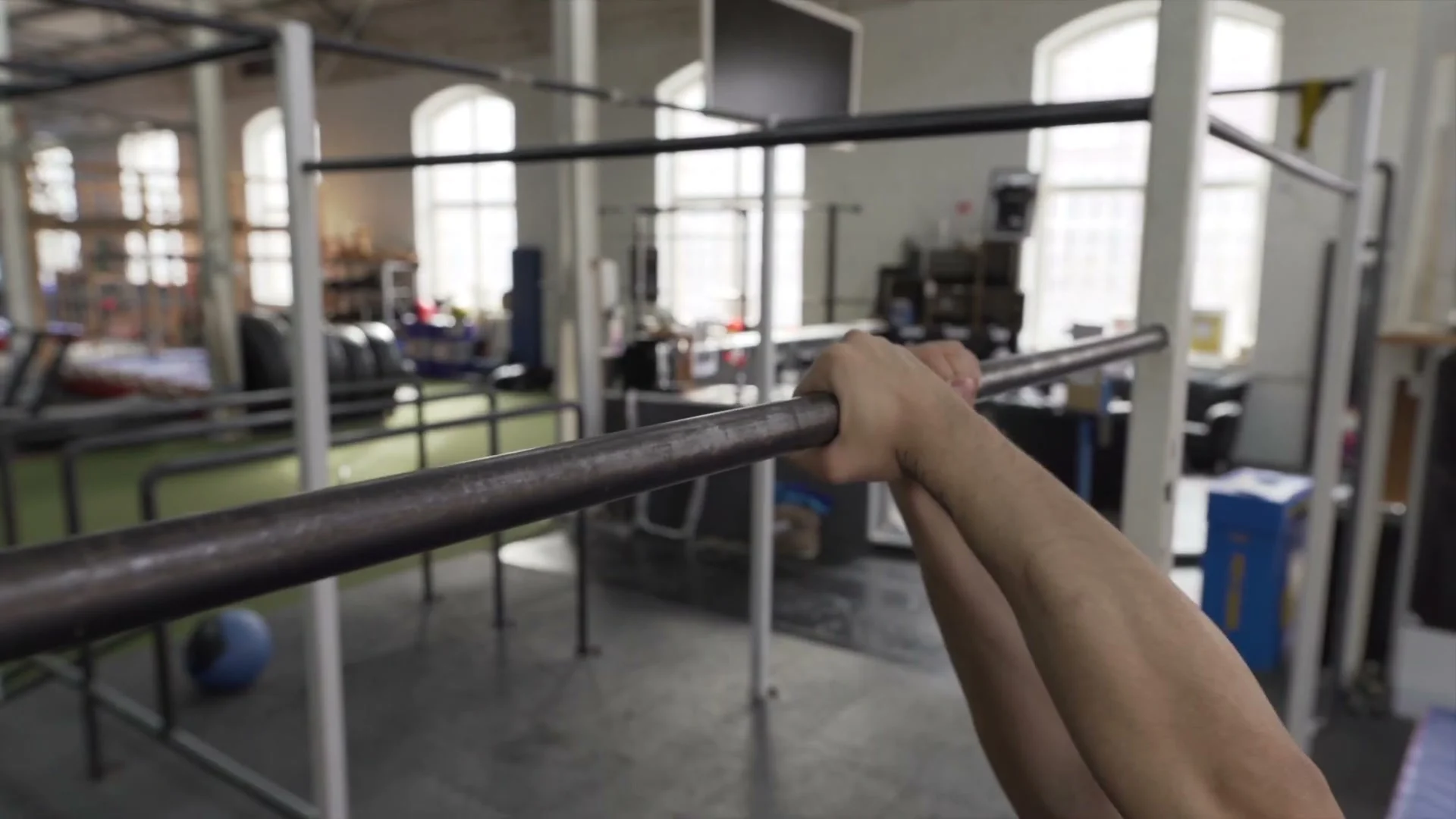
This is the most important technical detail in the whole movement. As your body rotates around the bar, your hand position needs to adjust to follow the rotation. If you keep a fixed grip throughout, the bar fights your wrist and the rotation stalls. When you allow the grip to shift and reorganize during the spin, the rotation flows. This one adjustment does almost half the work of completing the Dragon 360.
In practice: as your body goes under the bar and past the inverted point, let your hands pivot on the bar. Do not white-knuckle a fixed position. The grip adjusts naturally when you stop fighting it. Feel for it in your first attempts rather than trying to think your way through it.
Tip 2: Look at the Bar
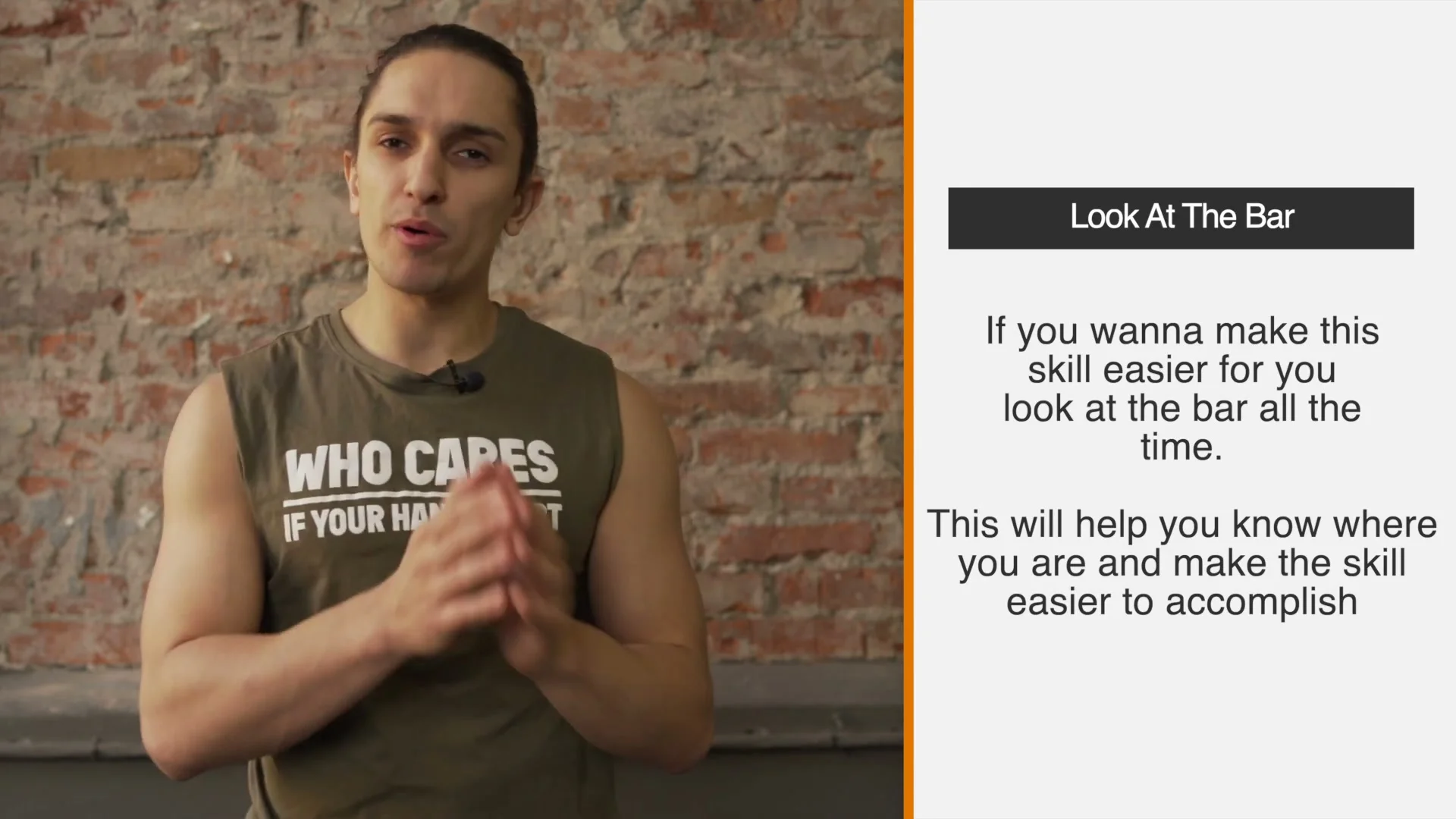
During the rotation, keep your eyes on the bar at all times. This sounds obvious until you try it and realize your instinct is to look at the floor, the ceiling, or wherever your head is pointing. When you lose visual contact with the bar, you lose your orientation and the rotation becomes a guess.
Looking at the bar tells you exactly where you are in the spin at every moment. It makes the rotation easier to control and gives you the spatial reference point you need to know when to pull back up. This is the cue that makes the Dragon 360 feel manageable instead of chaotic.
Progression: Steps to Your First Dragon 360
No one hits a clean Dragon 360 on the first attempt. These are the steps to work through.
Stage 1: Swing Comfort
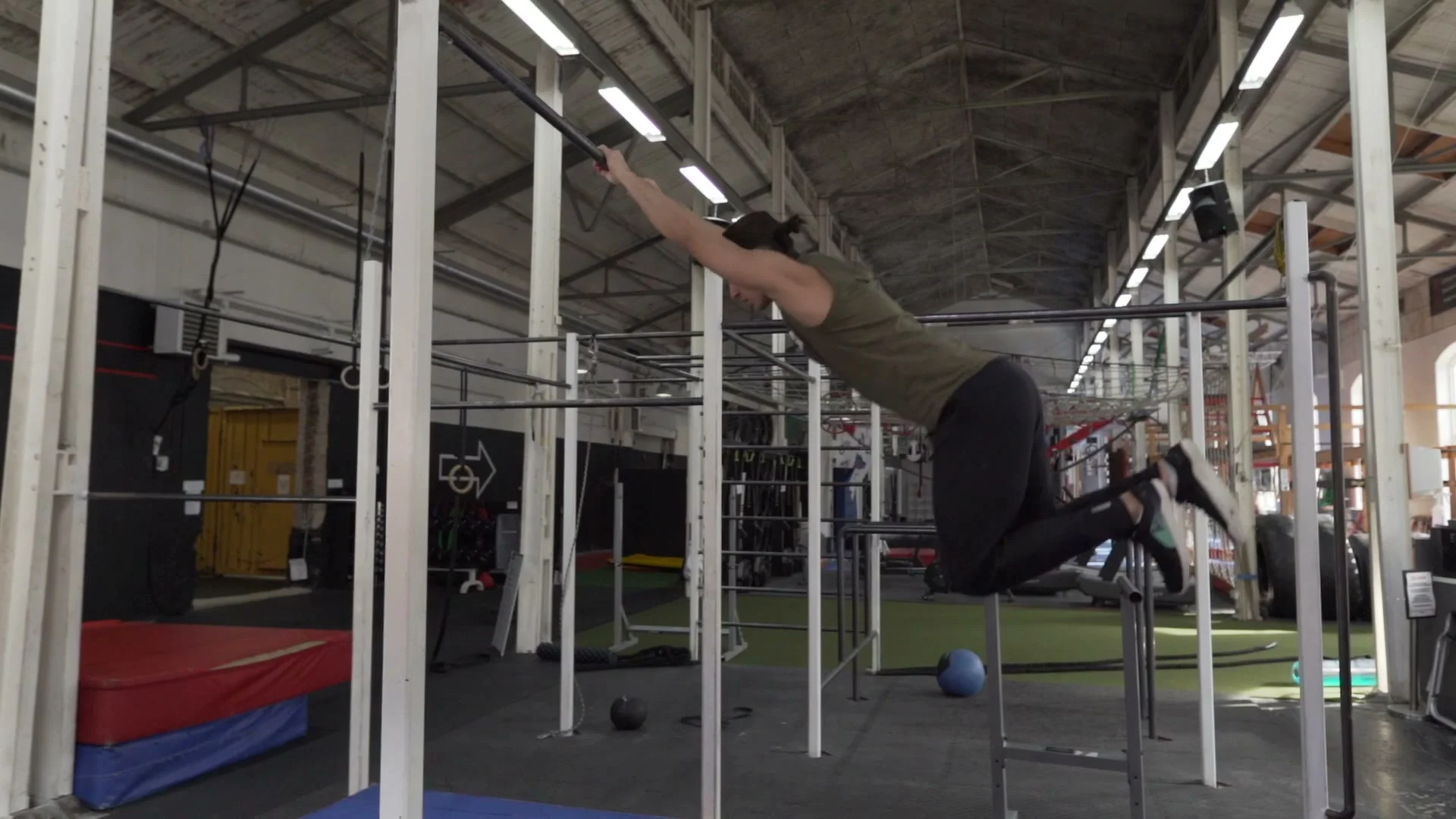
Get on the bar and swing. Go backward, let the arc build, and get comfortable with your body moving in that plane. Do this until a full swing with leg drive feels natural and you are not tensing up mid-swing. This is the foundation the Dragon 360 sits on.
Stage 2: Back Position Practice
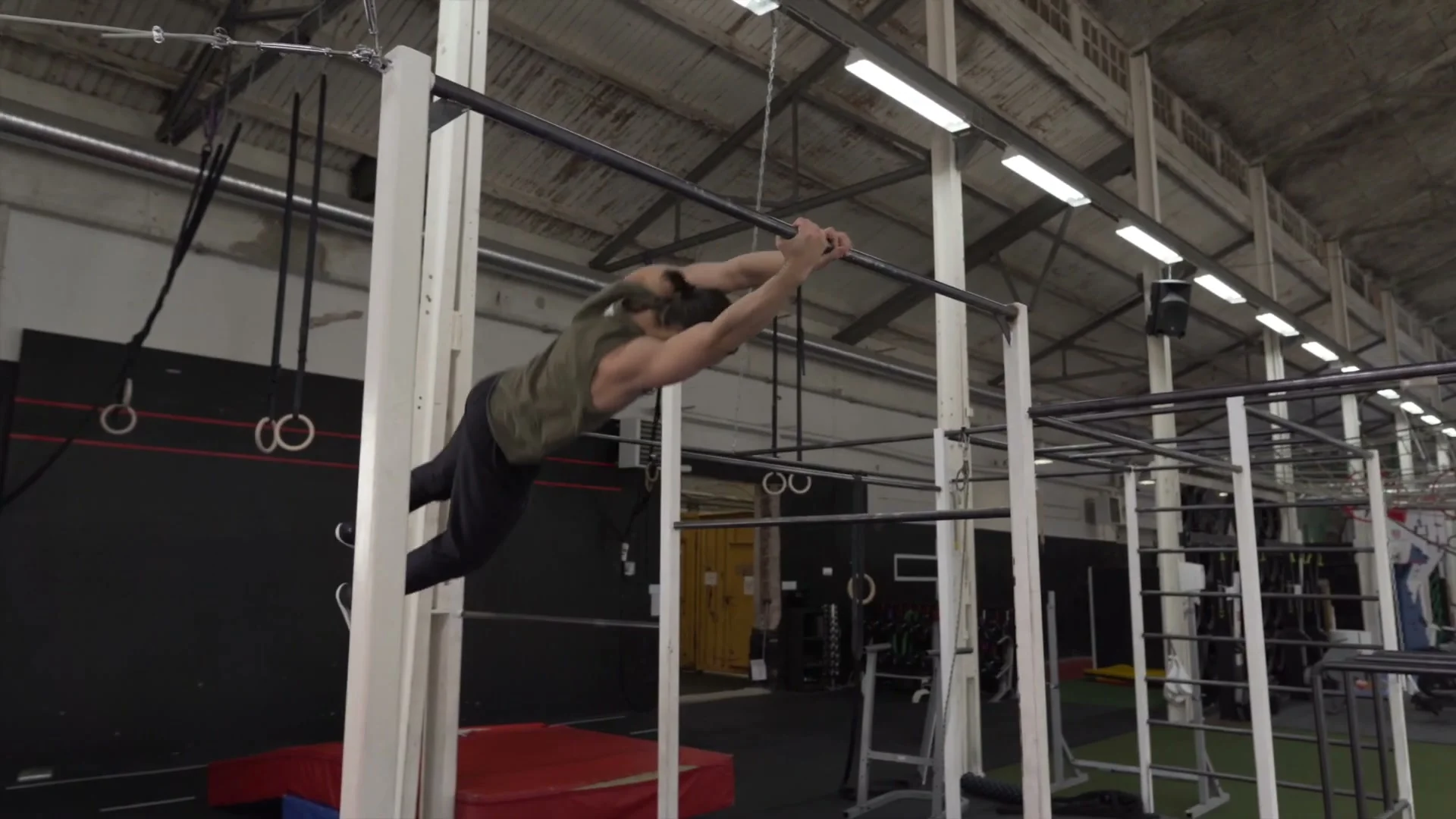
Swing to horizontal behind you and hold the position briefly before dropping off. You are practicing the first phase of the Dragon 360: getting your body to that flat back position before the rotation continues. It trains the shoulder engagement and body awareness you need for the full spin.
Stage 3: Commit to the Rotation
Now let the swing carry you past the horizontal and allow the rotation to continue. The goal here is not a clean Dragon 360. The goal is to commit to going all the way around without stopping. You will probably feel chaotic and the grip change will feel awkward. That is normal. Repeat this until you complete the full 360 consistently, even if the landing is messy.
Stage 4: Clean the Movement
Once the full rotation is happening consistently, apply the two tips deliberately. Check that your eyes are on the bar and that your grip is allowing itself to shift during the spin. This is where the movement stops feeling like a controlled fall and starts feeling like an actual skill.
Stage 5: Add It to Combos
The Dragon 360 is most useful when it connects. Once the movement is clean on its own, start linking it to a swing before, or a muscle-up or re-grab after. Freestyle calisthenics is about flow, and this move is a natural connector in combinations.
Common Mistakes
These are the things that hold most people back from completing the Dragon 360.
Gripping Too Tight Through the Rotation
A locked, rigid grip fights the natural rotation of the hands around the bar. The bar needs your grip to be firm but not frozen. If you are squeezing at maximum tension throughout, the pivot point your hands need to shift through is blocked. Grip firmly but stay willing to let the hands adjust.
Looking Away from the Bar
Taking your eyes off the bar mid-spin is the fastest way to lose orientation. You end up not knowing where you are in the rotation, which causes you to either release early or overcorrect. Eyes on the bar from the moment you jump to the moment you land back in the hang.
Not Generating Enough Swing
The Dragon 360 needs momentum. If you jump to the bar and try to rotate slowly and carefully, the body runs out of speed before completing the circle. Generate a real swing with leg drive before committing to the rotation. Momentum is not optional here.
Stopping at the Inverted Phase
Many people get to the upside-down position and panic, releasing the bar or killing the rotation. This is the phase that feels most disorienting. The key is to have committed to the rotation before reaching it. If you are still deciding whether to continue at the inverted point, you started the rotation too tentatively. Commit earlier.
Training Tips
The Dragon 360 responds well to volume of attempts rather than careful slow practice. Once you understand the two tips, put in a high number of attempts per session. The body learns the rotation through repetition, not through analysis.
Train it when you are fresh, not at the end of a session when grip and shoulder strength are depleted. A failed Dragon 360 because your grip gives out mid-rotation teaches the wrong pattern.
Use a slightly lower bar if you are in the learning phase. Less height means less consequence on a missed rotation and allows you to be less tense during attempts. Once the movement is consistent, move to your normal training height.
Film your attempts when possible. The grip change and eye direction are difficult to feel accurately until you can see them from the outside. A short clip from the side angle shows you exactly where in the rotation you are losing control.
Add the Dragon 360 to your warmup or early in the session where you are still fresh but not fully trained. Treating it as a skill practice rather than a conditioning exercise gives it the attention it needs to improve.
Frequently Asked Questions About the Dragon 360
How hard is the Dragon 360 compared to other bar tricks?
It is at the entry to intermediate level of freestyle bar tricks. You do not need exceptional strength to do it, but you do need bar comfort, swing confidence, and the willingness to commit to the rotation. Most people with a basic pull-up foundation can learn it with focused practice over a few weeks.
Do I need a specific bar height for the Dragon 360?
A bar high enough that your feet clear the ground during the swing is necessary. For learning, a slightly lower bar reduces the intimidation factor. Your feet do not touch the ground during the rotation, but being closer to it makes the attempts feel less risky while learning.
Why does my rotation stop in the middle?
Two main reasons: not enough swing momentum going in, or gripping too rigidly and blocking the natural hand rotation. Check both. Generate more leg drive in the initial swing, and consciously allow your grip to shift as you pass through the inverted phase.
Can you do the Dragon 360 on rings?
The Dragon 360 is a fixed bar movement. The rotation relies on the rigid pivot point of a straight bar. On rings, the instability and the different grip angle make the specific rotation pattern this movement requires very difficult to replicate.
How long does it take to learn the Dragon 360?
Most people with bar experience get a rough version within a few training sessions and a clean version within two to four weeks of consistent attempts. The grip change is usually the last thing to click. Once it does, the movement cleans up quickly.
What moves connect well with the Dragon 360 in combos?
A standard swing or kip-up into the Dragon 360 is a natural entry. After the landing hang, a muscle-up, a skin the cat, or another swing-based trick flows cleanly out. The Dragon 360 works best as a connector between other bar elements rather than a standalone trick.
Is the Dragon 360 safe for beginners?
It is safe if the prerequisites are in place. If you are not comfortable swinging on a bar or your grip strength is still developing, build those first. The risk in the Dragon 360 is releasing at the inverted phase, which happens from lack of grip strength or from the grip locking up at the wrong moment. Build bar comfort before attempting the full rotation.
Daniel Flefil
Calisthenics coach with 11 years of experience, co-founder of Calixpert, and organizer of Beast of the Barz, one of the world's largest calisthenics competitions. Based in Stockholm. I write about training, equipment, and everything that goes into building a serious calisthenics practice.
More about Daniel →