Daniel Flefil
January 12, 2019 · 8 min read
Calisthenics freestyle is one of the most visually striking aspects of street workout: swings, releases, 360s, and combinations performed on the bar, parallel bars, and the floor. It looks difficult because it is, but most athletes who struggle to start are missing specific foundation strength, not talent. I have been training freestyle for several years and in this guide I cover the seven requirements I believe every athlete should meet before beginning freestyle training, along with the warmup approach that protects your joints for the long term. By the end, you will know exactly where you stand and what to build before attempting your first freestyle skills.
Watch the Full Tutorial
What Is Calisthenics Freestyle?
Calisthenics freestyle, also called street workout freestyle, is a discipline built around dynamic tricks and combinations performed on bars, parallel bars, and the ground. Unlike static skills such as planche or front lever, freestyle involves explosive movement, releases, and rotations. Moves like the Swing 360, Muscle-Up 360, and Swing 540 are common examples.
The discipline rewards coordination and timing as much as raw strength. That said, strength is the prerequisite for coordination to matter. If you cannot pull your own bodyweight reliably, generate force through a dip, or control your body during a swing, the tricks will not happen regardless of how hard you try them.
Freestyle sits at the intersection of gymnastics and street workout. It is accessible from intermediate calisthenics level onward, but starting without the right foundation leads to slow progress and higher injury risk. The seven requirements below define what that foundation looks like.
The 7 Requirements Before You Start Freestyle
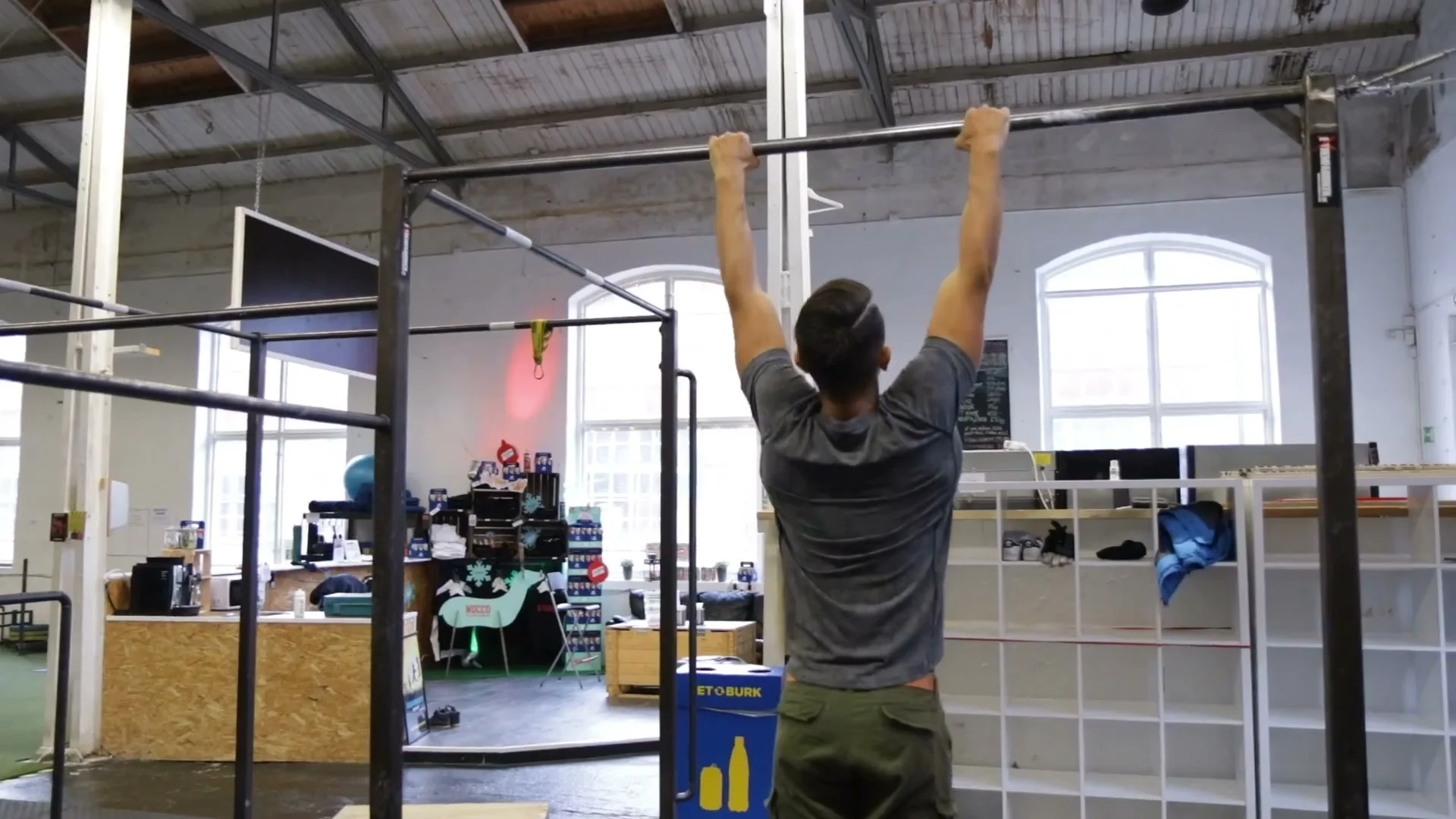
No one needs to nail every requirement before touching a bar. But if you are missing more than two of these, the skills you attempt will feel blocked by weakness rather than technique. Work through these first.
Requirement 1: Pull-Ups (3 to 5 Reps)
Pull-ups are the base of almost everything on the bar. They train the back, biceps, and core under vertical pulling load. The standard for freestyle beginners is three to five clean reps: dead hang start, chin over the bar, controlled descent.
This is the entry threshold for muscle-ups, which are a gateway skill in freestyle. Without a reliable pull-up, the explosive component of the muscle-up has no strength to build on.
Key Takeaway
Requirement 2: Dips (4 to 6 Reps Each)
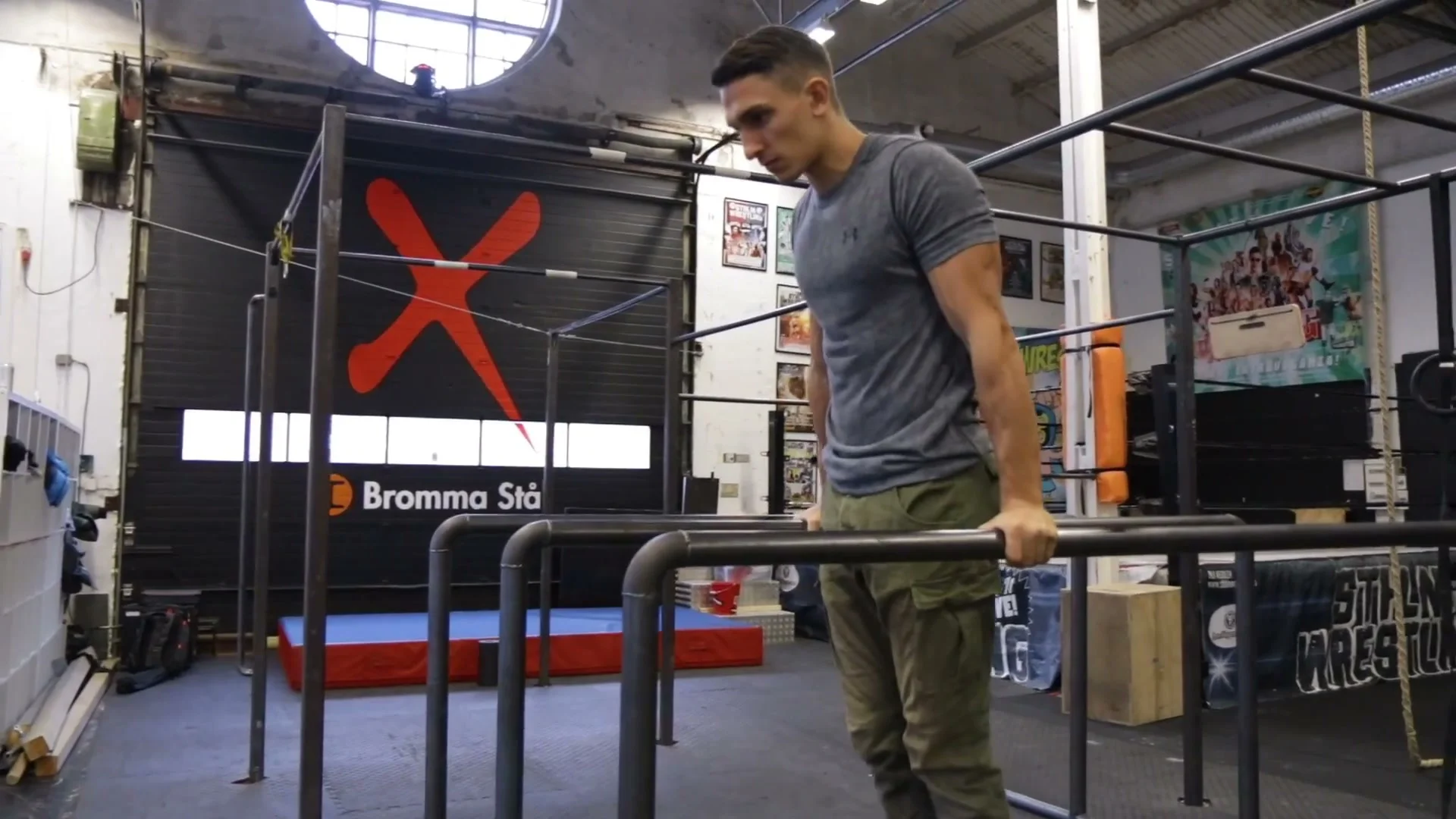
There are two dip variations to develop: parallel bar dips (P-bar dips) and straight bar dips. Four to six reps of each is the target. Both use shoulders, triceps, and chest under a pressing load.
Dips are necessary for the pressing-down phase of a muscle-up and for any skill where the upper body needs to get over the bar. Straight bar dips in particular transfer directly to the end position of the muscle-up and to several bar balance positions used in freestyle combinations.
Requirement 3: Grip Strength (30 to 60 Seconds Dead Hang)
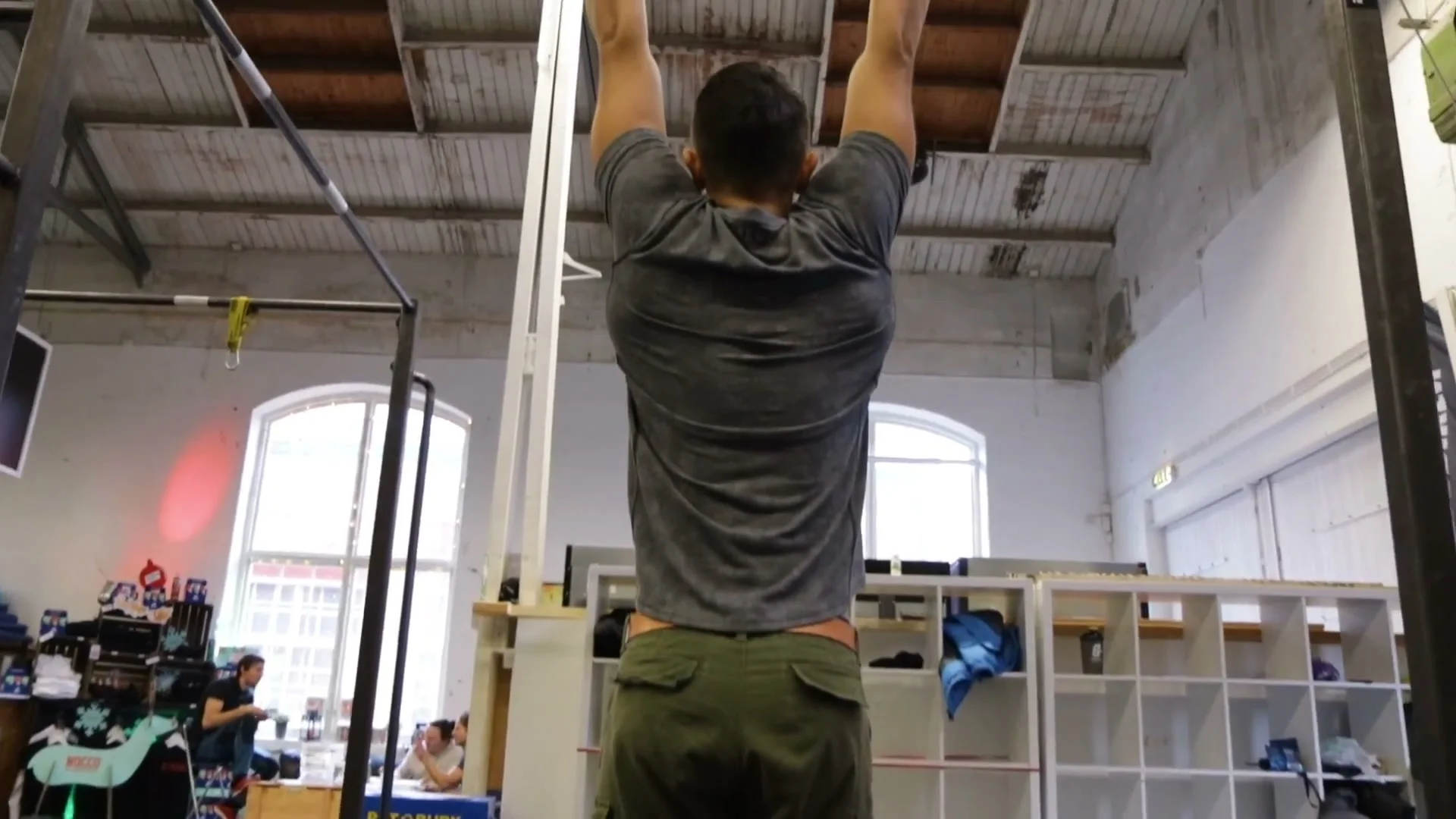
Almost every freestyle move involves hands on the bar. Release moves like the Swing 360 require enough grip strength and confidence to let go and re-grab the bar mid-swing. If your grip fails during a big swing, you will fall.
The requirement is a dead hang of between 30 seconds and 1 minute. This is a passive test: hang with relaxed shoulders and measure how long you last. If you cannot hold for 30 seconds, build more hanging volume before adding swing work.
Requirement 4: Skin the Cat (3 to 5 Reps)
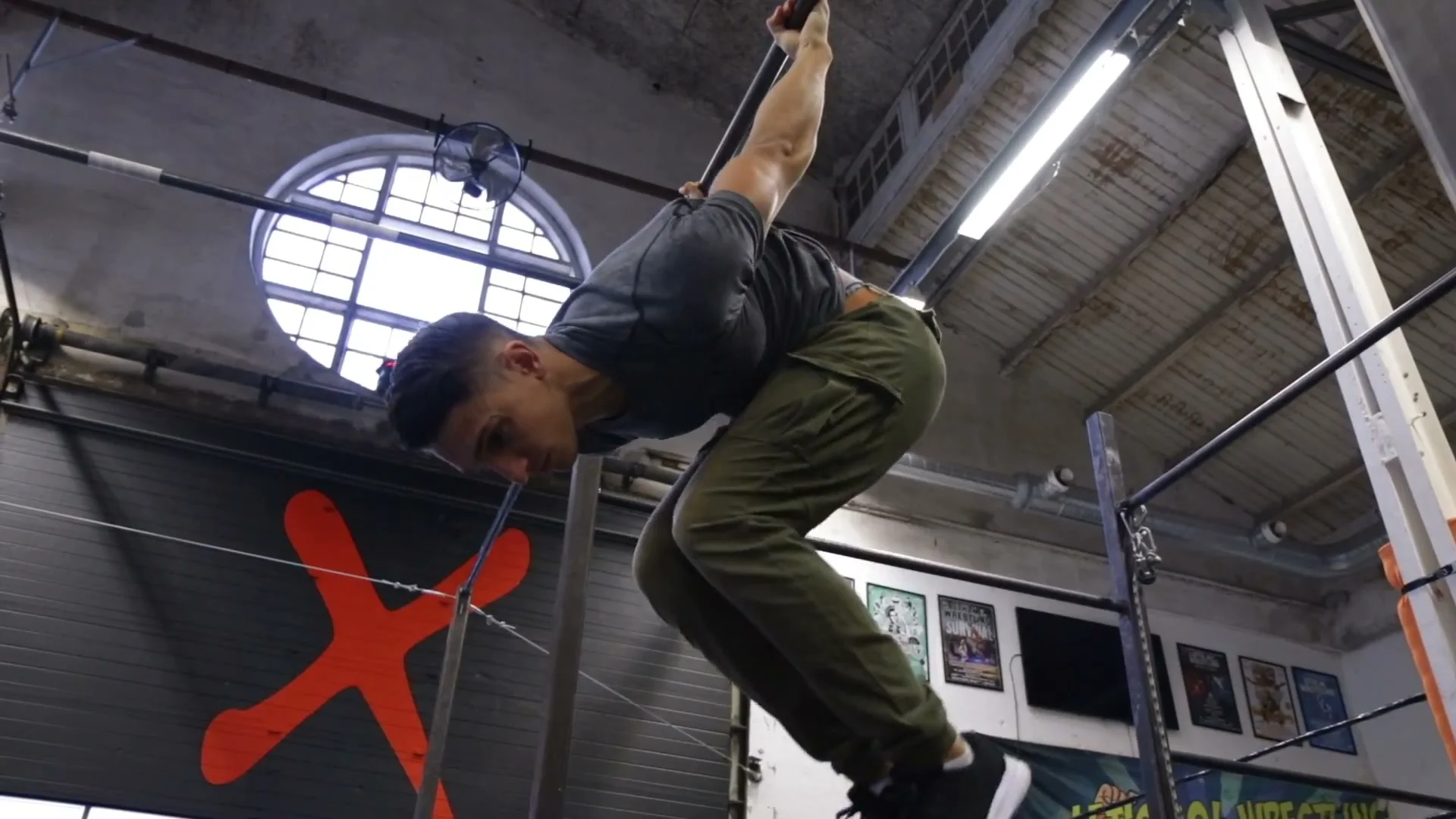
Skin the cat is the first mobility-demanding requirement. You hang from the bar, bring your legs up and through, rotate backward, and return. It requires shoulder and thoracic mobility that many beginners lack, and it exposes tightness quickly.
The reason this is in the requirements is not just strength. Freestyle training puts unusual loads on the shoulder joints during dynamic swings and rotations. Stiffness in the shoulder complex significantly raises injury risk as skills become more demanding. Three to five clean skin the cat repetitions show that your joints can handle that range of motion. It also begins the shoulder mobility journey toward the back lever, which appears in many freestyle combinations.
Requirement 5: Push-Ups (6 to 10 Reps)
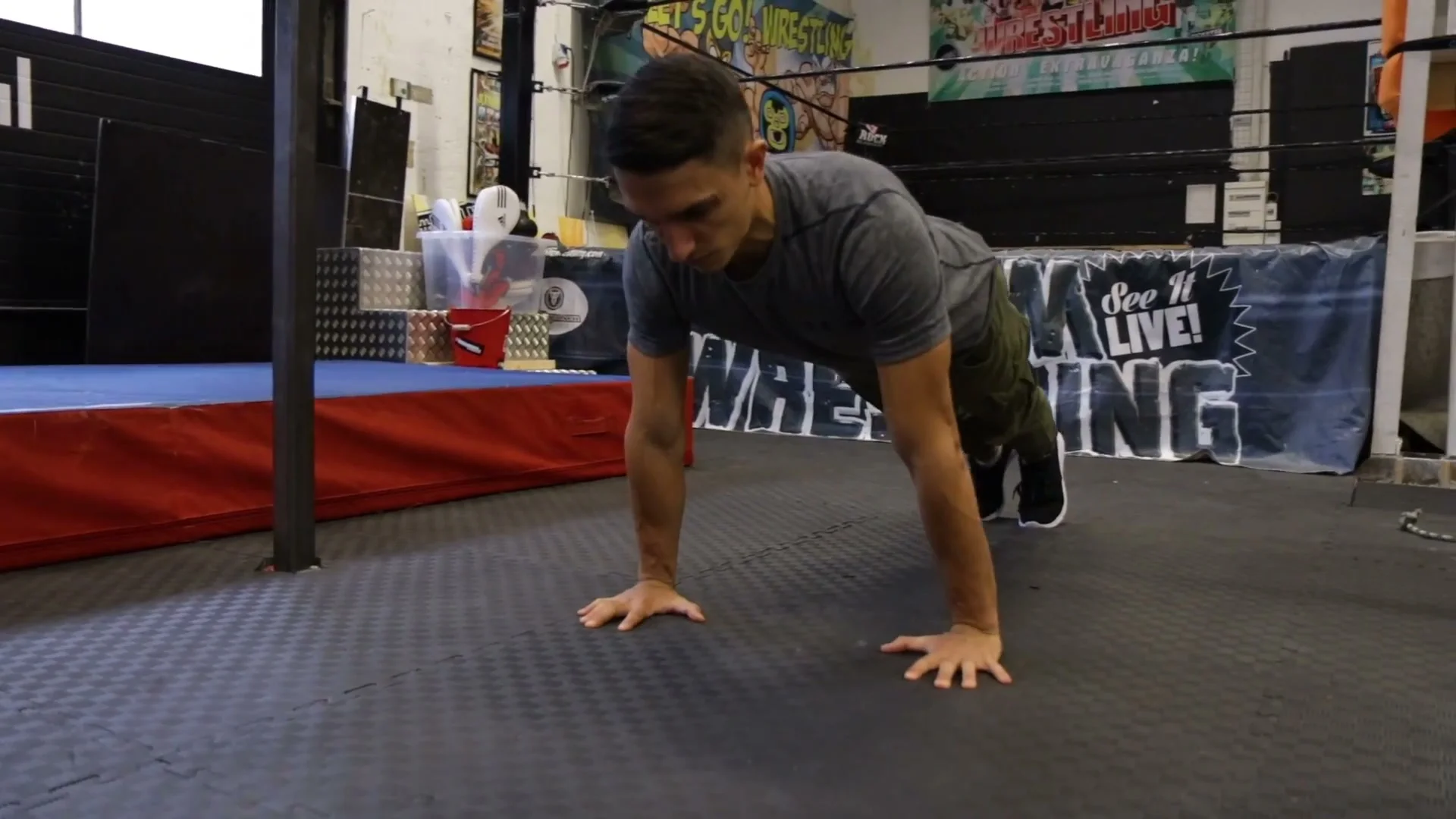
Push-ups build chest, shoulder, and tricep strength under a horizontal pressing load. Six to ten reps with feet on the ground is the standard. There are dozens of push-up variations, but the standard flat push-up is the measure here.
This foundation matters for any skill where the upper body pushes away from a surface or bar, including static positions used in combination freestyle routines and transitions on the parallel bars.
Requirement 6: Pullover
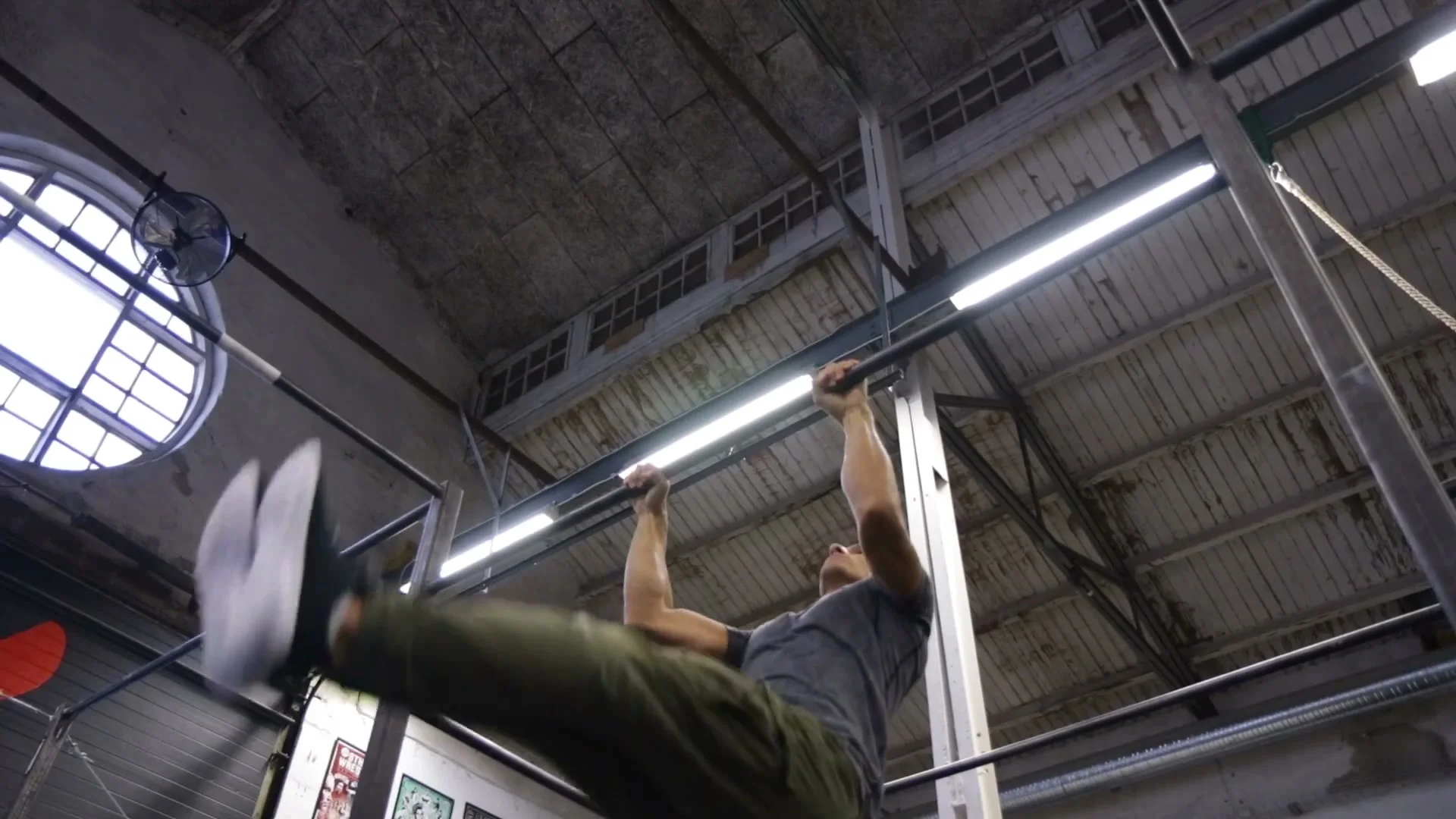
The pullover is the most technical of the seven requirements. You hang from a bar, bring your legs up and over the top, and end up with your hips above the bar. It requires core strength, back pulling strength, and timing to make the rotation work.
This is an honest prerequisite because it teaches the fundamental movement of getting your body over the bar. If you cannot do a muscle-up, the pullover is the alternative path to get on top of the bar. Be patient with it. It can feel impossible at first, but with consistent practice over weeks it becomes achievable.
Requirement 7: Toes to Bar (3 to 5 Reps)
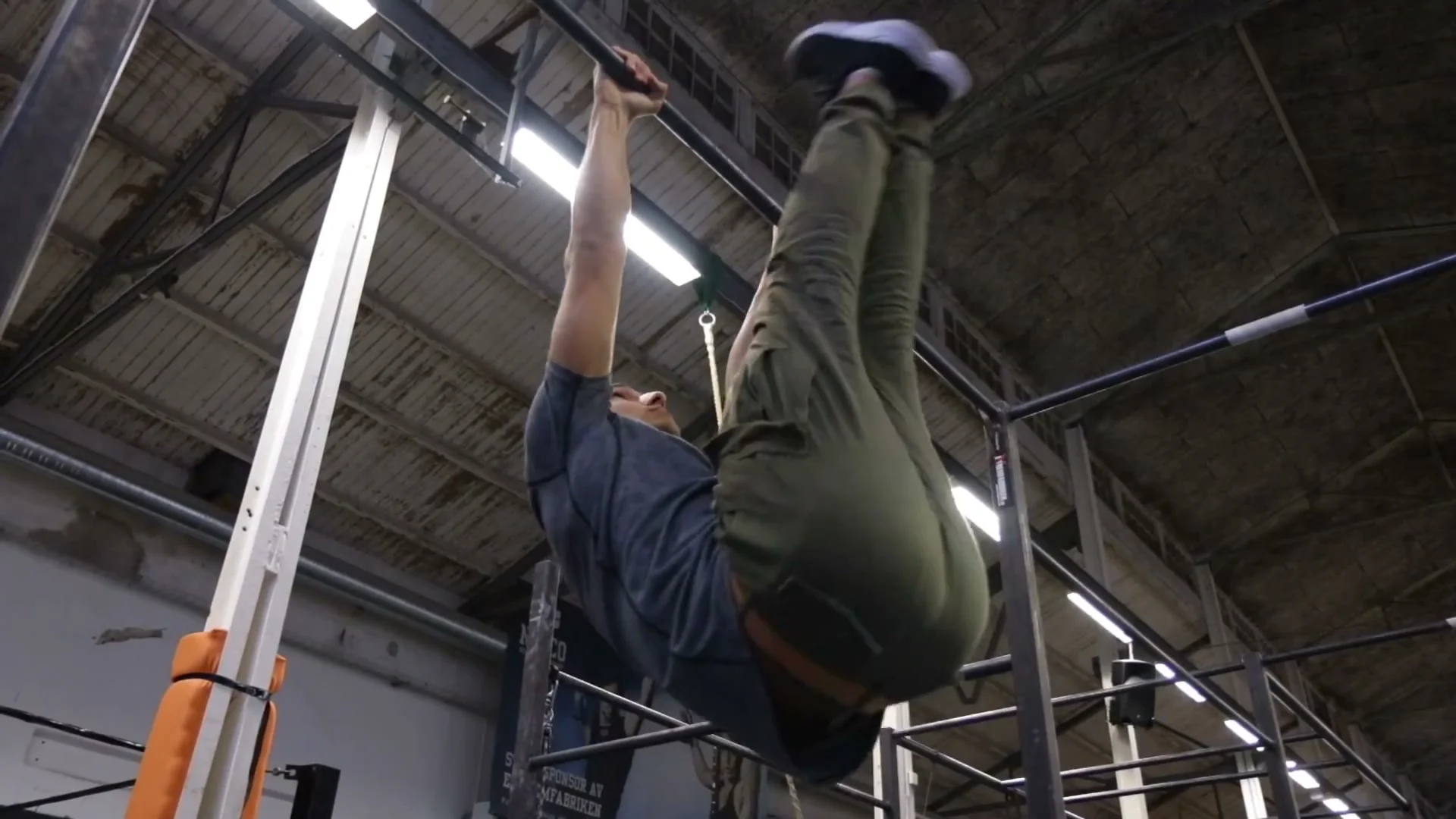
Toes to bar is a core exercise performed hanging from the bar. Hang with straight arms, raise your legs until your feet or toes touch the bar, lower under control. Three to five reps is the standard.
Core strength runs through every freestyle movement. Swings, rotations, and combinations all require the trunk to stay rigid or generate force at the right moment. Weak core strength means every freestyle skill will feel unstable. If your hamstrings or lower back are stiff, you may not reach the bar with straight legs at first. Work toward it with knees bent and extend the range over time.
Key Takeaway
Warming Up for Freestyle Training
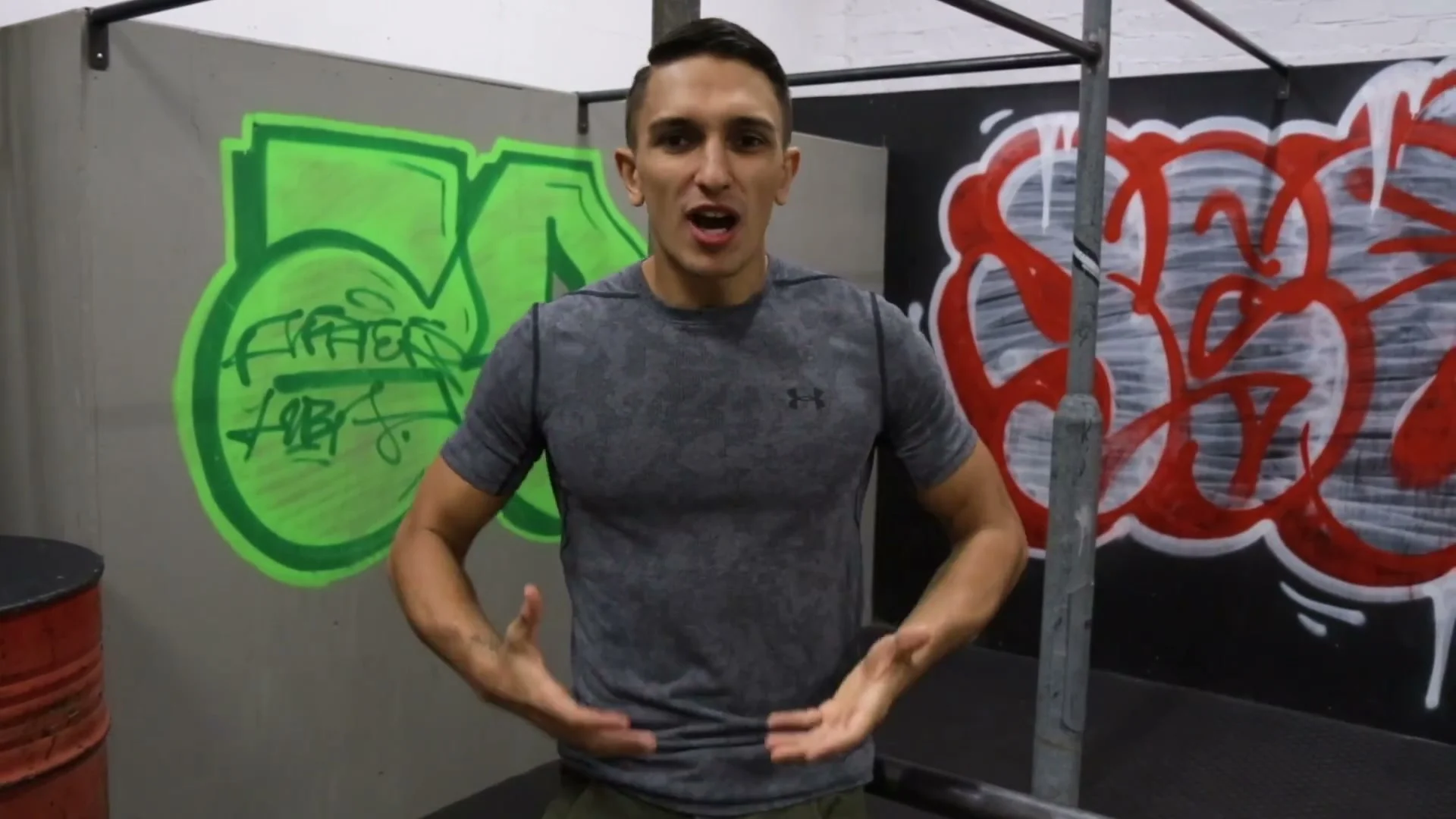
Warmup is the detail most athletes underestimate or skip. I have trained with athletes who have years of experience and still skip warmup, then spend one to two months recovering from preventable injuries. This is not a beginner problem. It is a consistency problem.
For freestyle training, the primary areas to warm up are the shoulder joints, elbows, and wrists, along with the muscles surrounding them. Most of the upper body is under load during freestyle and these joints take significant stress during swings, catches, and rotations.
I warm up for 30 to 45 minutes before freestyle training. That is a long warmup by most standards, but freestyle involves dynamics that a basic jog does not prepare the joints for. For a lighter training day or skill session, 20 minutes is a reasonable minimum. The warmup should include shoulder circles, wrist rotations, scapular mobilization, and light dynamic movements that mirror the training ahead.
Common Mistakes
Skipping the Requirements
The most common mistake is treating the seven requirements as optional and jumping straight to swing 360s or muscle-ups. The requirements exist because you will need that strength in the middle of every skill. Attempting tricks before you have the foundation means learning the trick is harder, slower, and more prone to failure.
Not Warming Up Properly
A 5-minute warm-up is not enough for freestyle training. The shoulder joints need time to lubricate and prepare for dynamic loads. Most freestyle injuries happen to athletes who warm up too briefly or skip it when training time is short. If you are short on time, reduce the training session rather than the warmup.
Ignoring Flexibility Alongside Strength
Skin the cat and toes to bar both require flexibility as much as strength. Athletes who focus only on pull-ups and dips but ignore mobility will hit a ceiling when dynamic moves start requiring fuller ranges of motion. Add shoulder mobility and hamstring flexibility work alongside the strength requirements.
Trying Advanced Skills Before Mastering Basics
Swing 360 looks more exciting than pull-ups, but the athletes who learn swing 360 fastest are the ones who built their pull-up and dip foundation properly first. Basic strength compresses the learning curve for every trick that comes after it.
Training Tips
Build the requirements before adding freestyle work, but train them specifically for what freestyle demands. Pull-ups for freestyle benefit from an explosive component: practice pulling fast and high, not just to chin height. Dips should include the full range and a lockout at the top.
Keep the seven requirements in your training even after you start freestyle work. They are not a phase to complete and move on from. Pull-up and grip strength continue to develop with consistent practice and directly determine what tricks become available to you.
Freestyle training sessions work best when placed after a rest day or a light session. The coordination demands require a fresh nervous system. Training freestyle at the end of an already-tired workout consistently produces poor results and raises injury risk during dynamic work.
Track your requirements with numbers. Write down how many pull-ups, dips, and toes to bar you can do. Numbers clarify progress in a way that feel alone does not. When you hit the targets, move forward.
Allow yourself time with the pullover. It is the most technically demanding requirement and the least intuitive. Dedicate specific practice time to it rather than including it as an afterthought. Watch demonstrations, feel the rotation slowly, and build the movement in segments before putting it together.
Frequently Asked Questions About Calisthenics Freestyle
What is calisthenics freestyle and how is it different from regular calisthenics?
Calisthenics freestyle focuses on dynamic tricks and combinations on the bar, parallel bars, and floor. Regular calisthenics focuses on strength-based movements like pull-ups, dips, and static holds such as planche and front lever. Freestyle combines strength with coordination, timing, and release moves. Most serious freestyle athletes train both disciplines.
How long does it take to learn the basics of calisthenics freestyle?
Building the seven prerequisite requirements takes most beginners three to six months of consistent training. The first simple freestyle moves like the basic swing, muscle-up, and 360 rotations typically become achievable within six to twelve months after that. Progress depends heavily on training frequency and starting fitness level.
Do I need a gym or can I train freestyle outdoors?
Freestyle is designed for outdoor bars and parallel bars. A basic outdoor calisthenics park with a high bar, parallel bars, and a low bar gives you enough to train all seven requirements and most beginner freestyle moves. Gyms with pull-up rigs work as well.
What is the Swing 360 and when should I start learning it?
The Swing 360 is a move where you swing on the bar, release during the swing, rotate 360 degrees, and re-grip the bar. It is one of the first release moves most athletes learn. Work toward it only after you have at least 30 seconds of dead hang grip, comfortable big swings, and basic muscle-up technique. Attempting it without grip strength or swing control is a fall risk.
Is skin the cat necessary for freestyle training?
Yes. Skin the cat builds the shoulder mobility and flexibility that prevents injuries during freestyle dynamic work. It is also a direct stepping stone toward the back lever, which appears in many freestyle combinations. Athletes who skip it often encounter shoulder tightness that limits their progress on more advanced moves.
How often should I train freestyle as a beginner?
Two to three sessions per week is a good starting point. Freestyle involves new movement patterns and coordination demands that need recovery time to consolidate. Overdoing frequency as a beginner leads to joint fatigue, especially in the shoulders and wrists. Build volume gradually over months.
Can I start freestyle training if I can only do 1 or 2 pull-ups?
Not effectively. With one to two pull-ups, the explosive force required for any dynamic bar skill is not there yet. Focus on building pull-up volume to five or more reps with clean form before beginning freestyle work. That foundation will make your first freestyle sessions much more productive.
Daniel Flefil
Calisthenics coach with 11 years of experience, co-founder of Calixpert, and organizer of Beast of the Barz, one of the world's largest calisthenics competitions. Based in Stockholm. I write about training, equipment, and everything that goes into building a serious calisthenics practice.
More about Daniel →